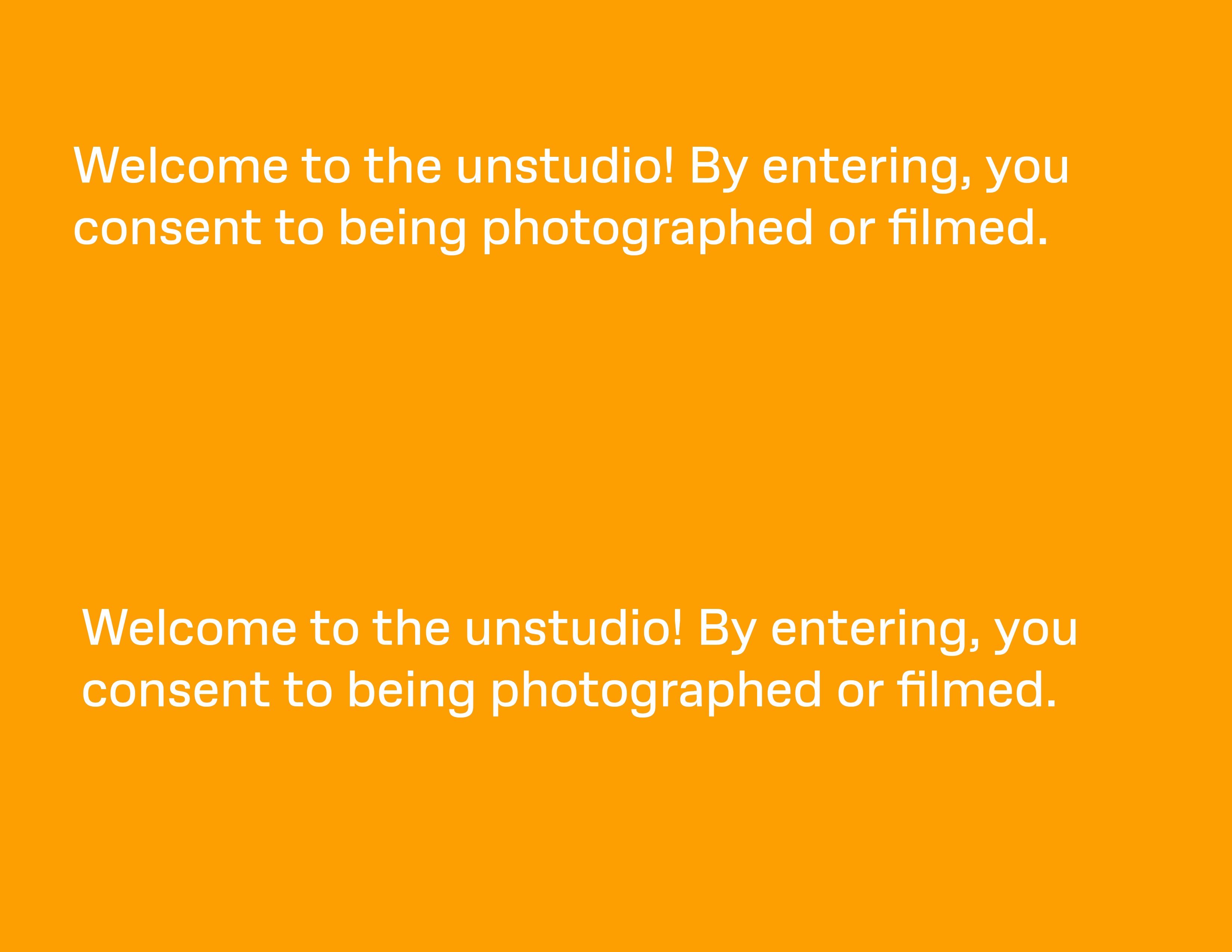
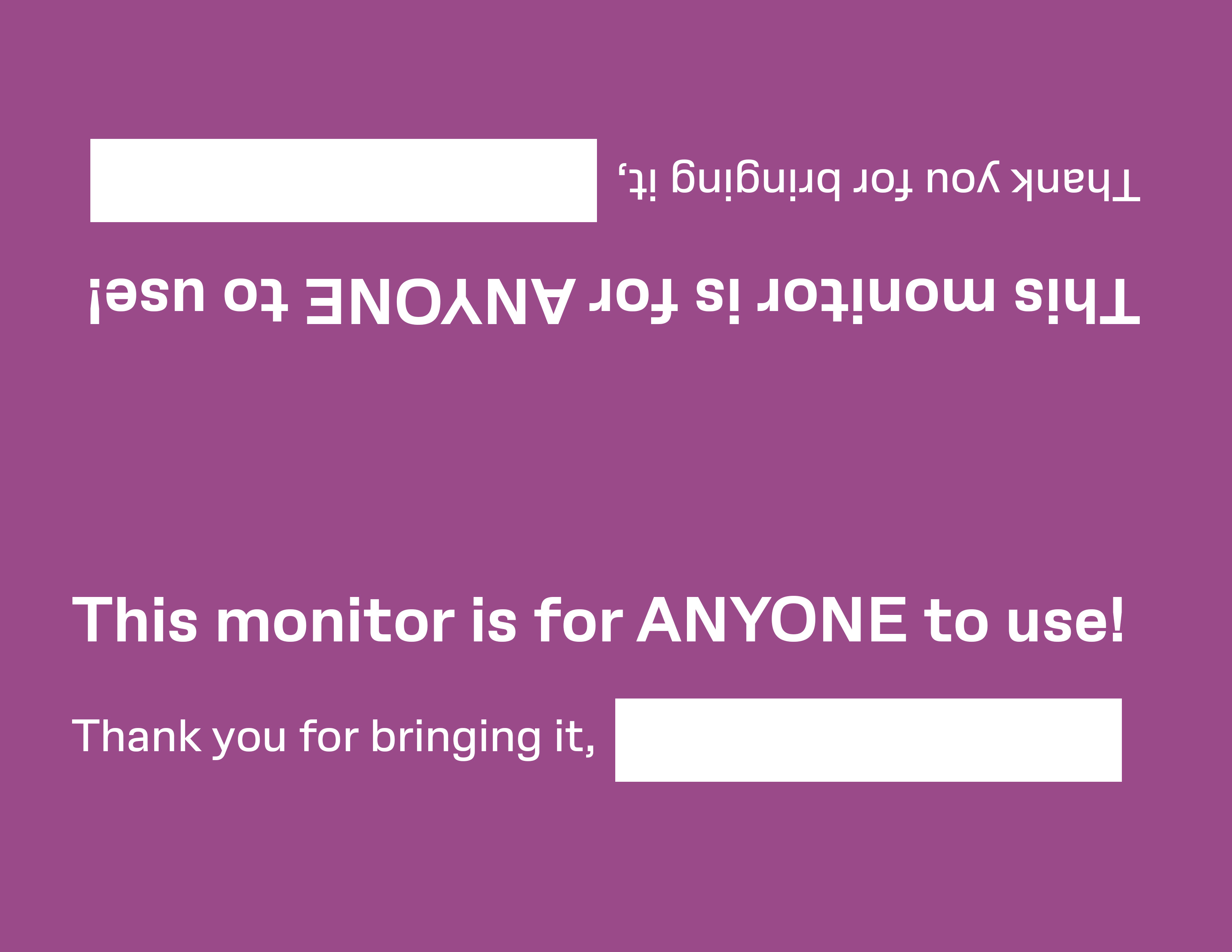
start your own
unstudio.

Everything you need to run a collaborative studio pilot at your own school — free, remixable, and battle-tested at Harvard GSD.

Any institution. Any space.

The unstudio doesn't require money, administrative approval beyond a simple yes, or new furniture. It requires one person who cares, a room that's underutilized, and a community willing to share.

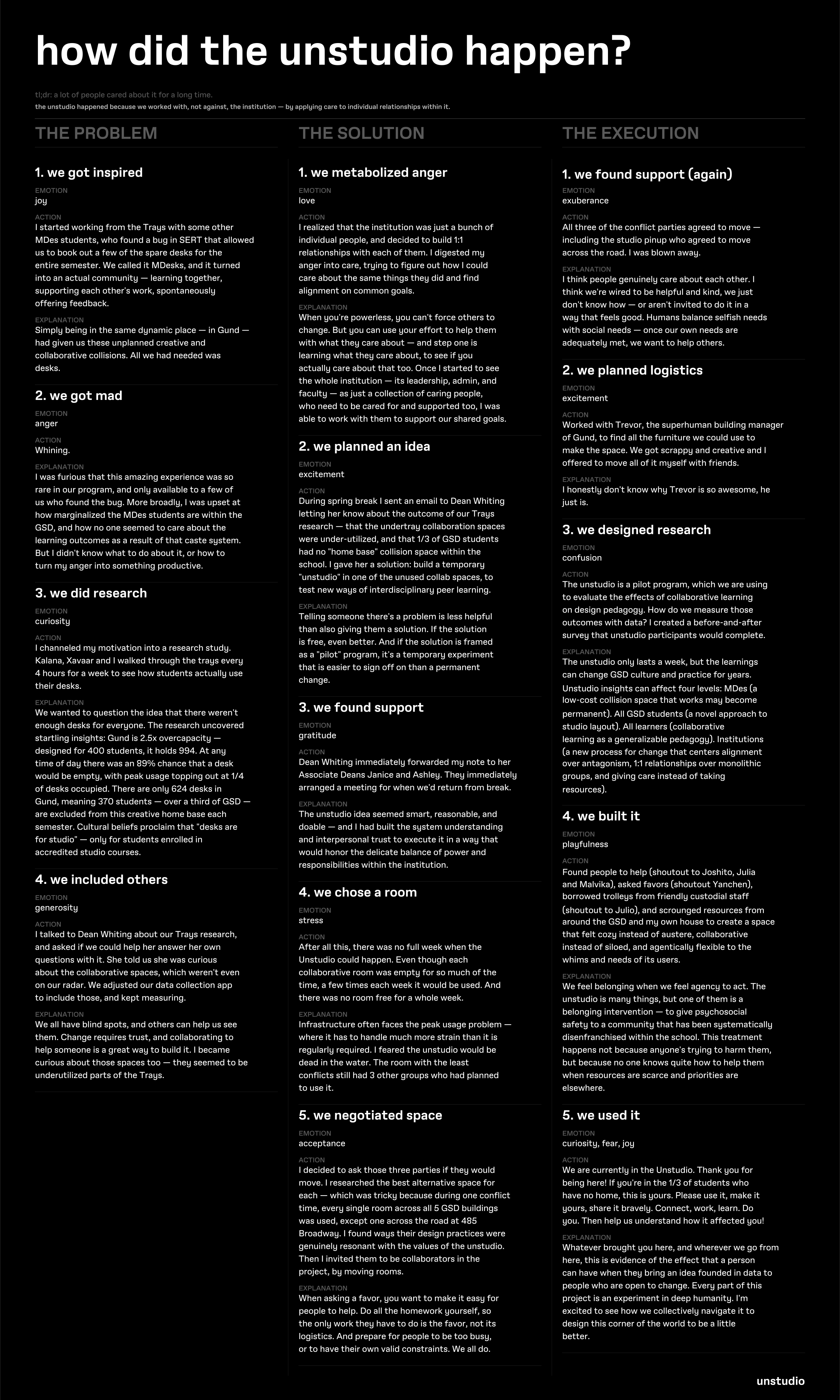
The process that made the unstudio happen is itself replicable: lead with data, build relationships, frame requests as experiments, do the homework so others only have to say yes.

Three things everyone agrees to.

Post these on the wall. Read them on day one. They're simple, but they work.

Bring anything.
Share everything.
Give up space.
Don't hoard space.
Work with,
not against.

How to make it happen.

Step 01
Do the research first.
Walk the space. Count usage every 4 hours for a week. Photograph everything. Data makes your case. "I think there's a problem" loses to "At any given time, 89% of desks are empty."
Step 02
Find the decision-maker and build a relationship.
Don't email with a problem — email with a solution. Frame it as a pilot. Pilots are temporary, low-risk, and easy to say yes to. Make sure you've built enough trust before you ask.
Step 03
Negotiate every conflict ahead of time.
Find out who else uses the space and when. Research the best alternative for each of them. Do all the homework before you ask. The only work they should have to do is the favor itself.
Step 04
Design the space for agency.
We feel belonging when we feel agency to act. Make the space flexible. Put out signage that invites participation immediately. Furniture that moves. Surfaces to write on. A way to leave your mark.
Step 05
Post the norms visibly.
Print the norms and hang them where everyone can see. Read them aloud on day one if you can. Shared agreements reduce conflict and make shared space feel safe.
Step 06
Measure everything.
Do a before/after survey. Count visitors. Note what activities happen. The unstudio is a pilot — treat it like one. Data from your pilot is what gets the next one approved, and the one after that made permanent.
Step 07
Run workshop activities.
Kick off with structured activities to help people meet each other. The space survey ("what kind of shared space do you enjoy?") is a great ice-breaker. Once people meet once, they return.
Step 08
Let go.
Once the space is running, step back. The best outcome is a space that feels like it belongs to its users, not to its organizer. That's how you know it worked.

Ice-breakers that work.

These activities were used in the unstudio to help strangers become collaborators. Run them on day one, or whenever new people arrive.

Activity 01
The Space Survey
Ask everyone to mark where they fall on four spectrums: quiet / loud · cozy / open · structured / flexible · focused / social. Post results on the wall. Discussion follows naturally — and you learn what kind of space your community actually wants.
Activity 02
Cross-Program Show & Tell
Each person shares one thing they're working on — in 60 seconds. No slides. No preparation. Just "here's what I'm doing." The goal is to surface unexpected connections and potential collaborations.
Activity 03
Norms Setting
Read the norms out loud and ask if anything should be added or adjusted. Give everyone agency over the shared agreement. This takes 5 minutes and dramatically increases buy-in.
Activity 04
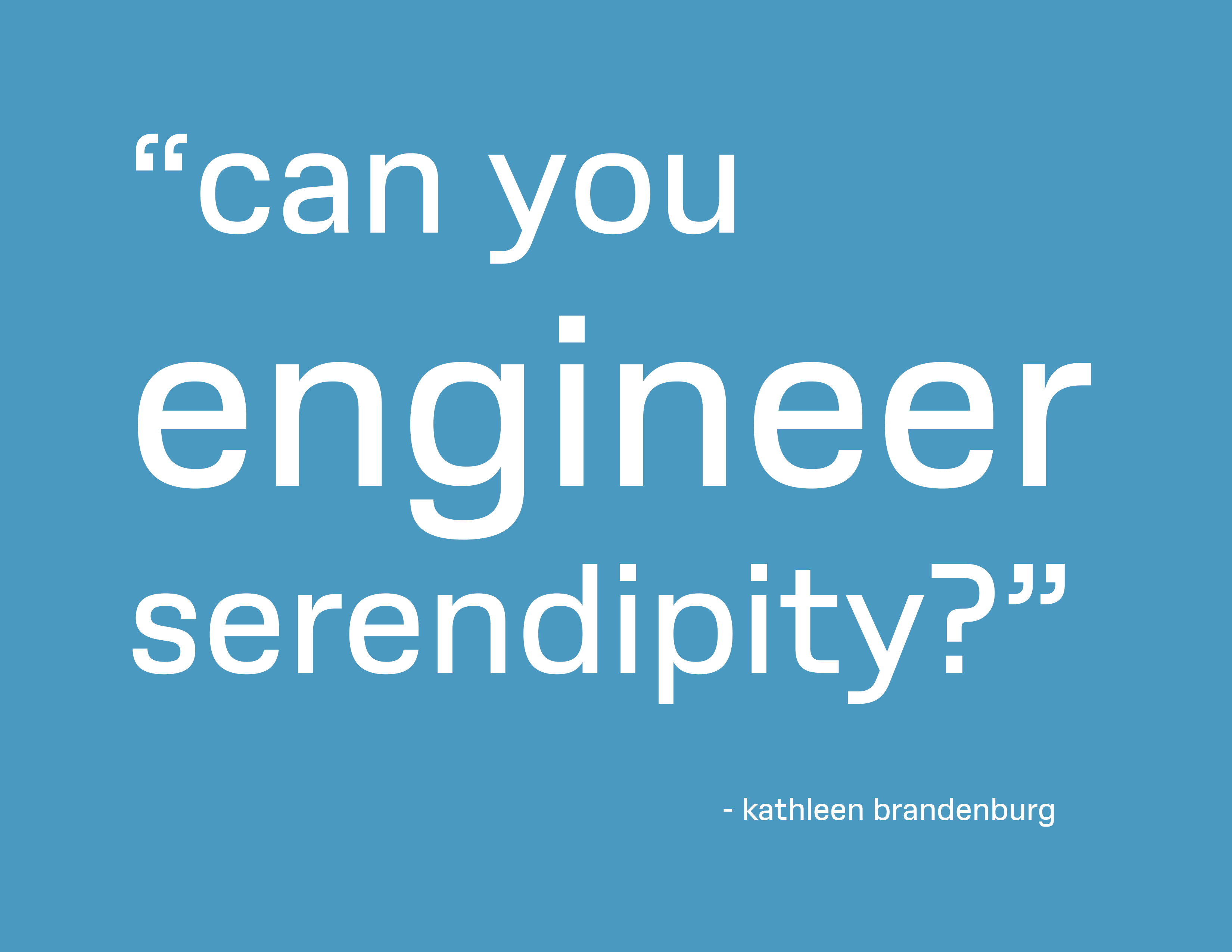
The Serendipity Board
Put up a board where people can post skills they have, skills they need, and projects they want collaborators on. Leave it up for the whole run. Check it yourself and make introductions.
Activity 05
Feedback & Futures
On the last day, run a simple session: what worked, what didn't, and what you'd do differently. Record everything. This is your data for the next pitch.
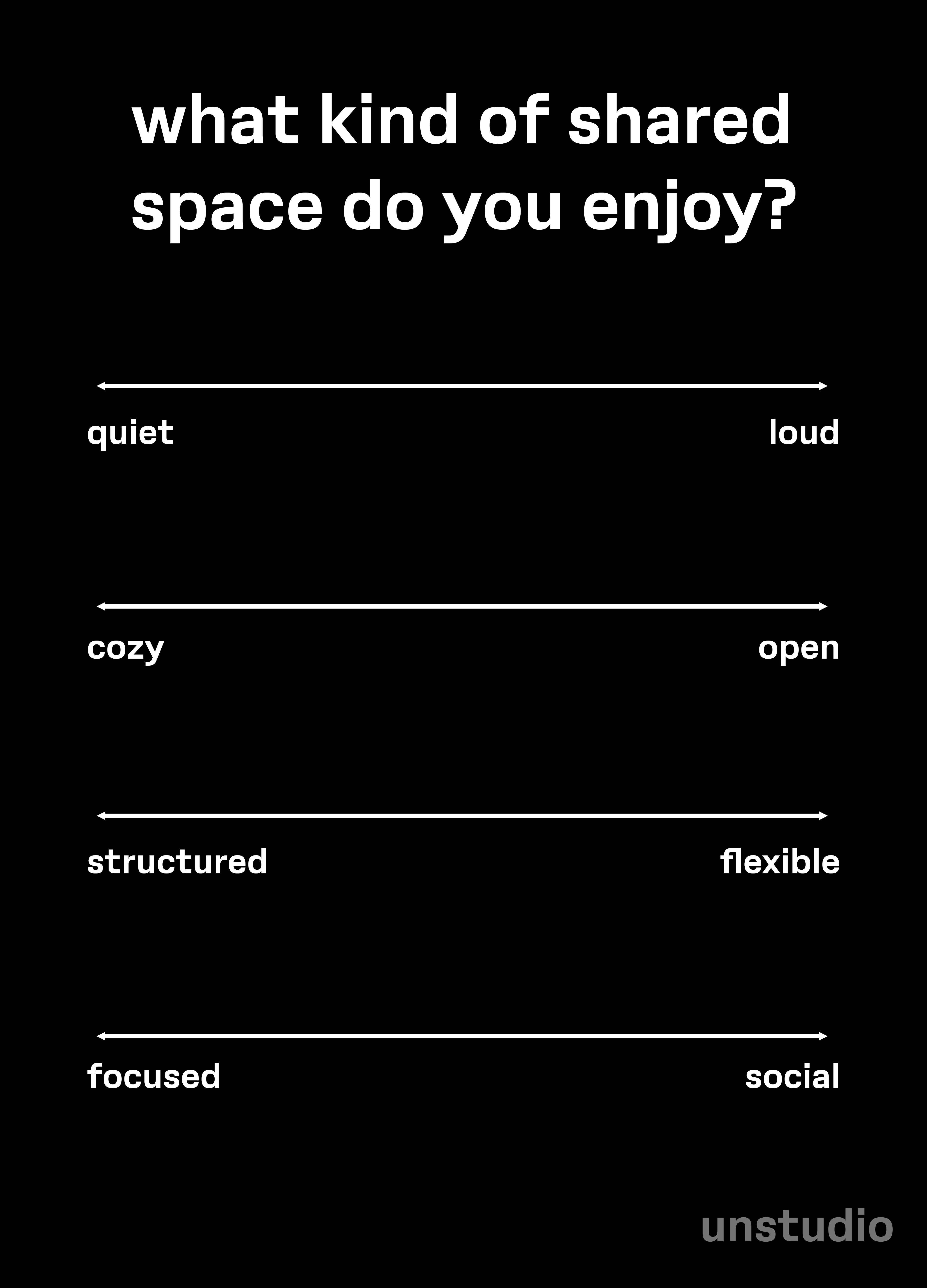
What kind of shared space do you enjoy? survey

The space survey used in the unstudio. Download and print below.
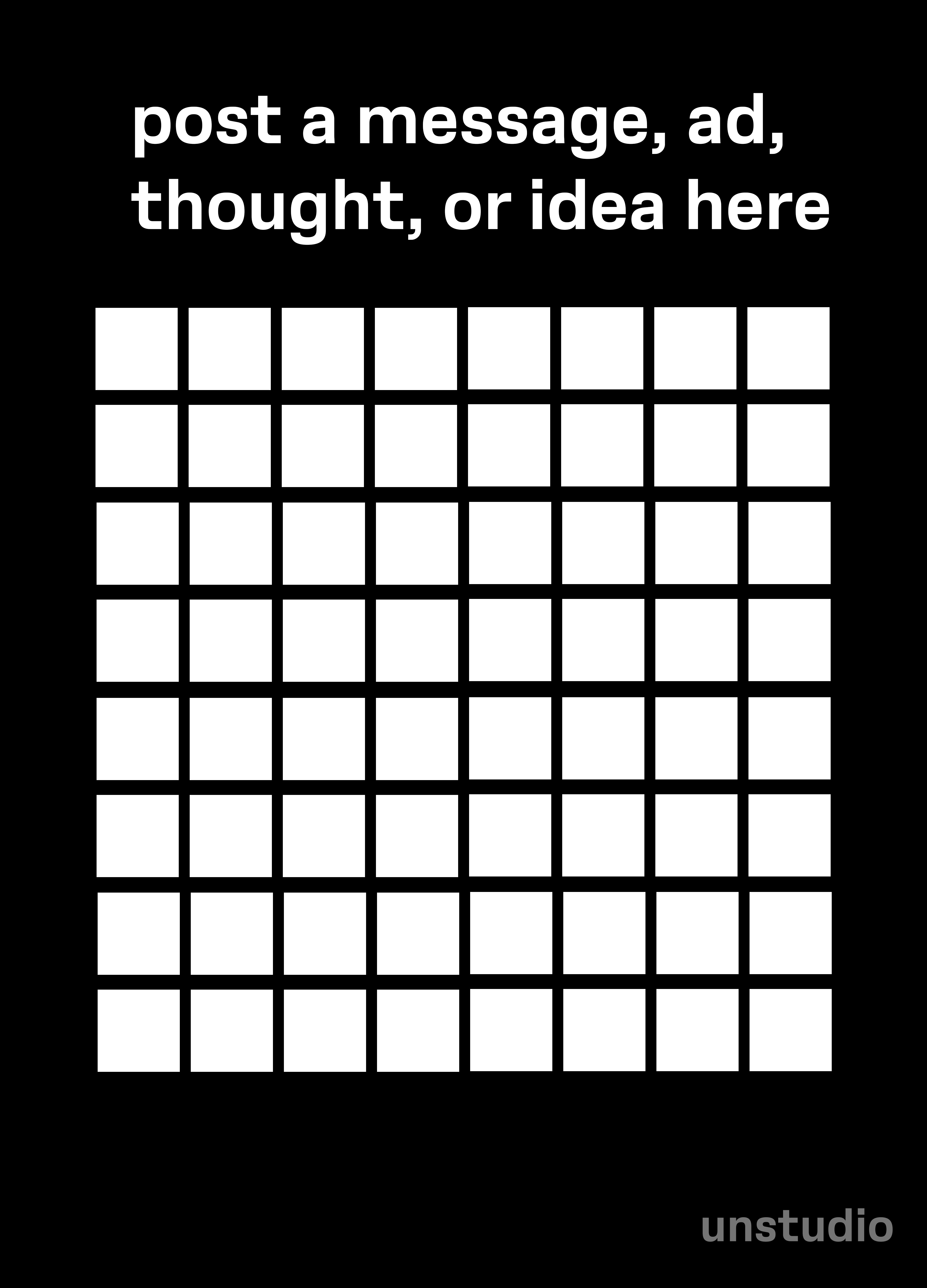
Posters that activate the space.

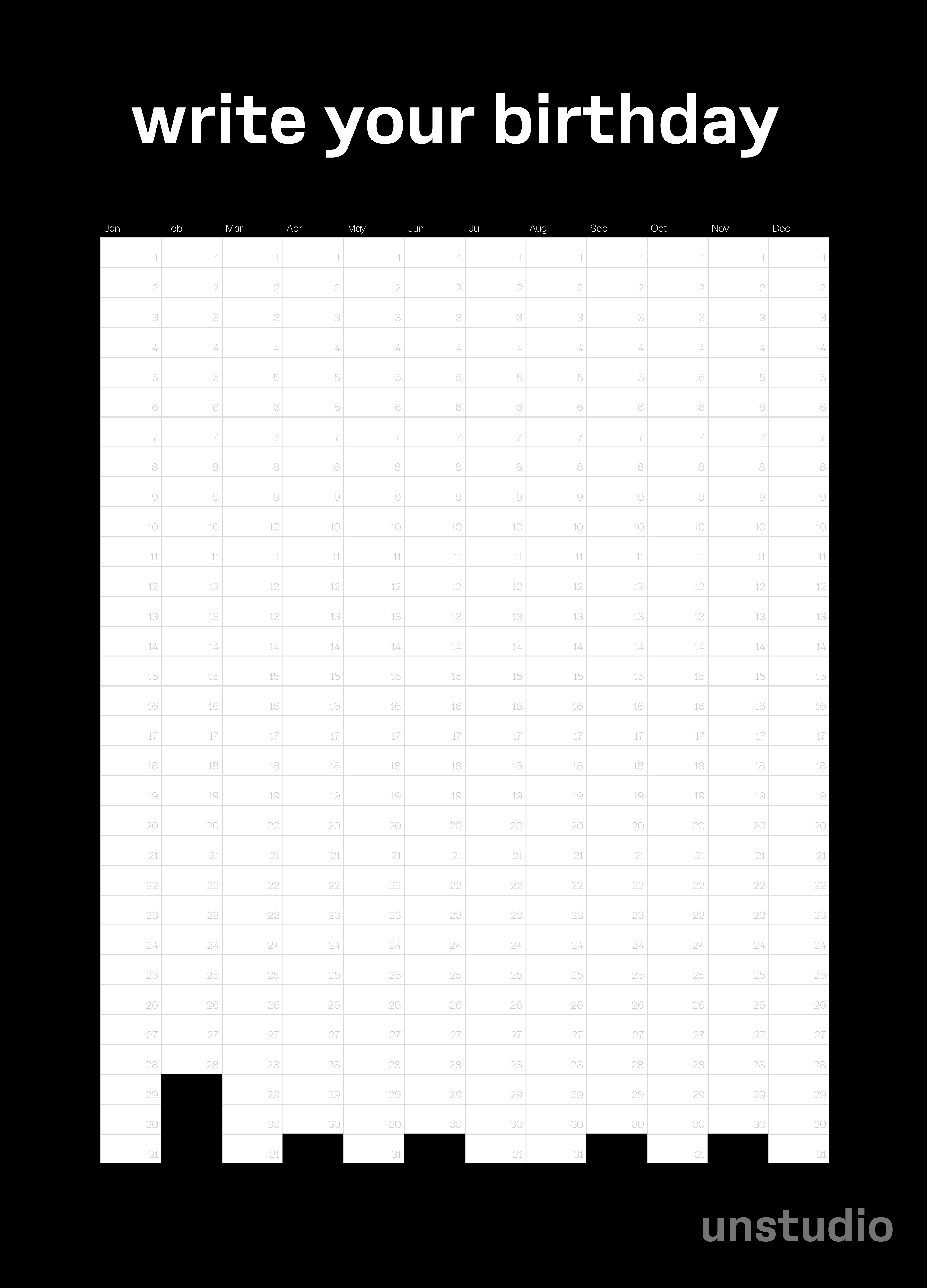
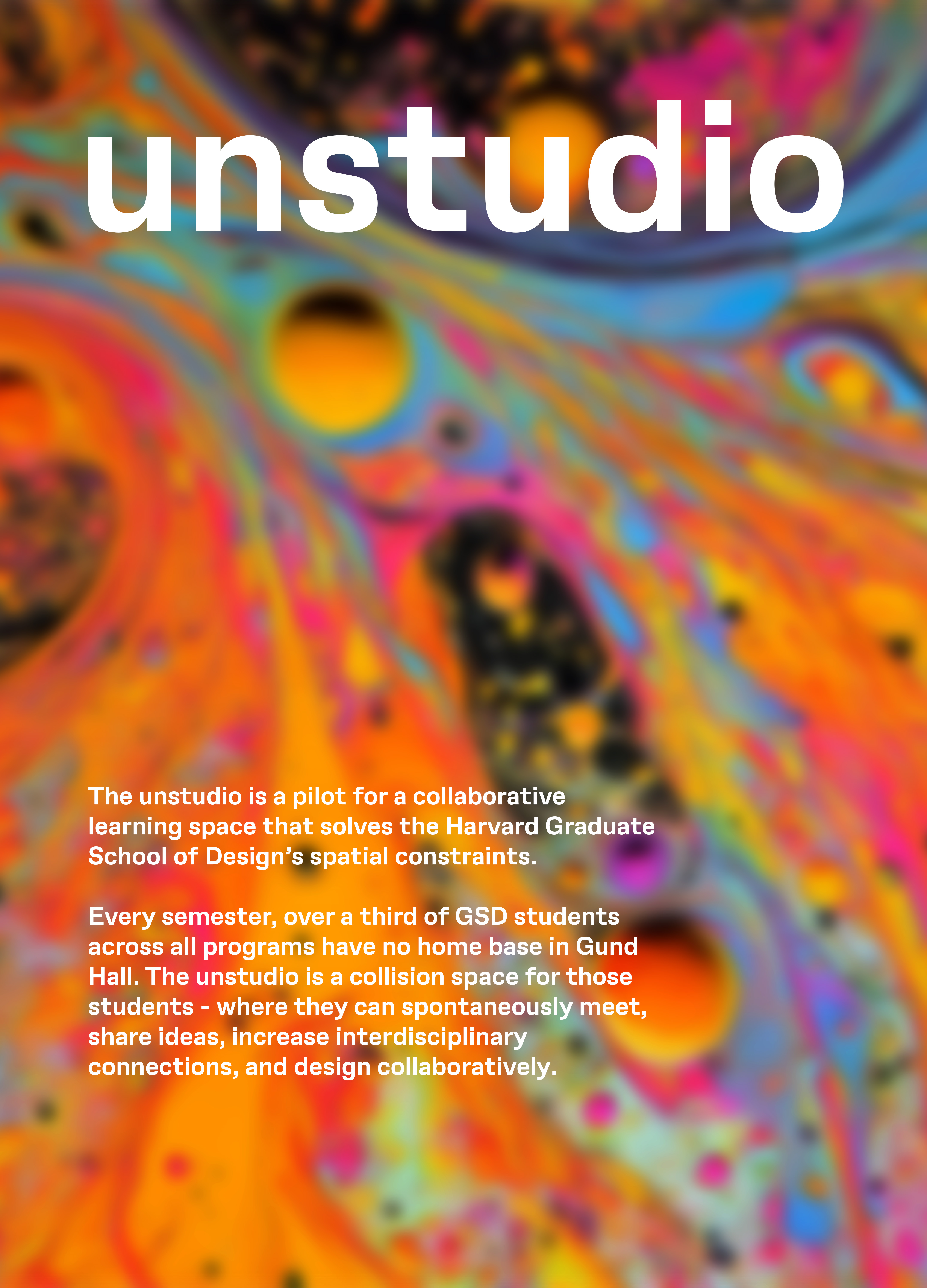
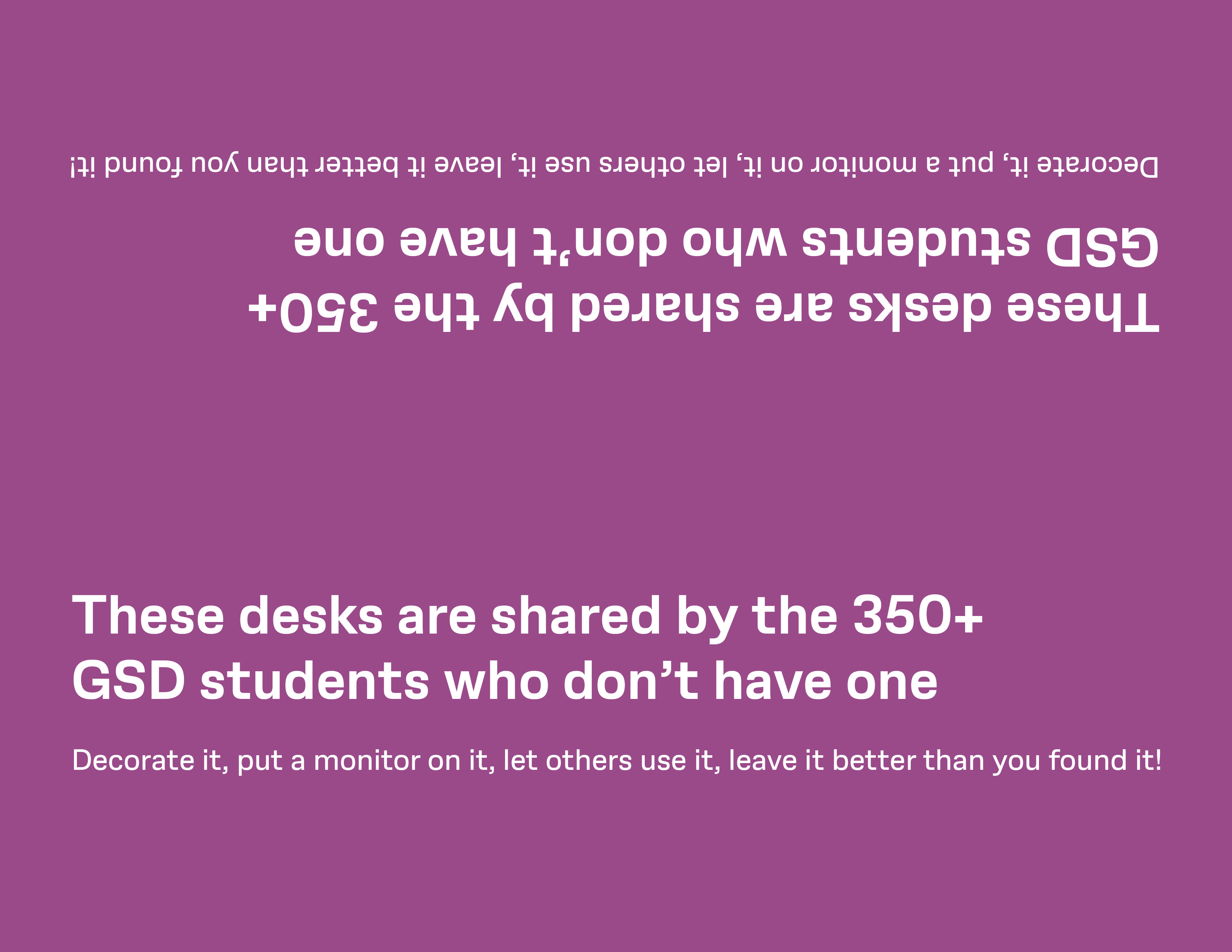
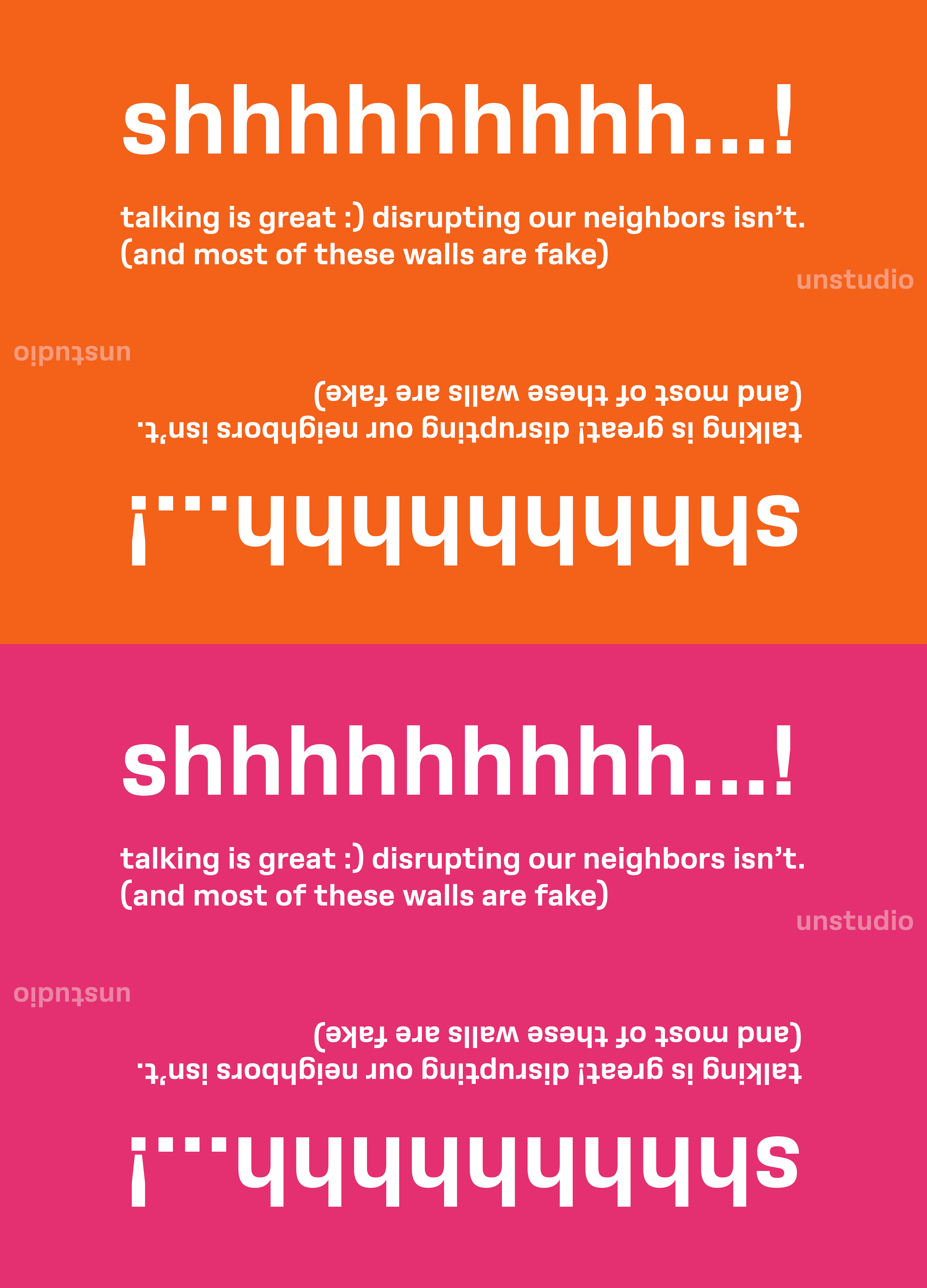
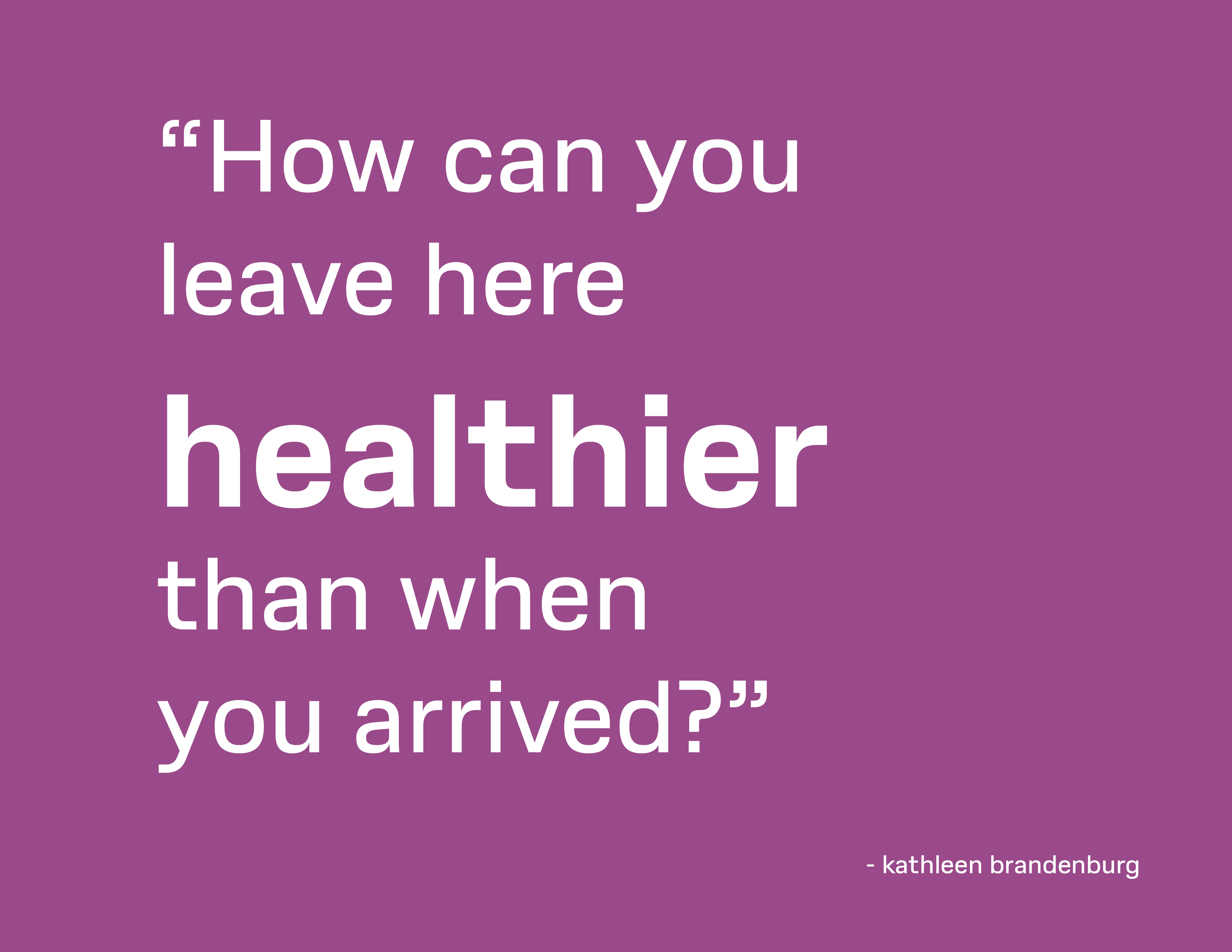
These printable posters give users an immediate, low-stakes way to participate and feel a sense of belonging from the moment they walk in — no event, no facilitation required. Post them on the wall and let them do the work.

Designed by Ami Mehta and Harvard x Design.

Download the signage.

All signage from the unstudio is free to download, print, and remix. PSD source files are included in the GitHub repo.

All PSDs and editable source files are available in the GitHub repository. Fork it, remix it, credit it if you want. No permission required.

Join the community.

The unstudio WhatsApp group is where the community stays connected, organizes future pilots, and supports each other's work.

Join the WhatsApp →

Questions? Feedback? Email Wyatt at wyatt_roy@gsd.harvard.edu