Documentation
In pictures.
A week of spontaneous meetings, creative work, shared snacks, and belonging.
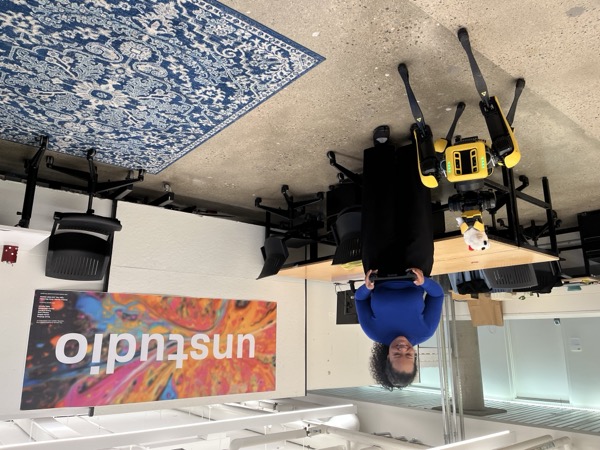
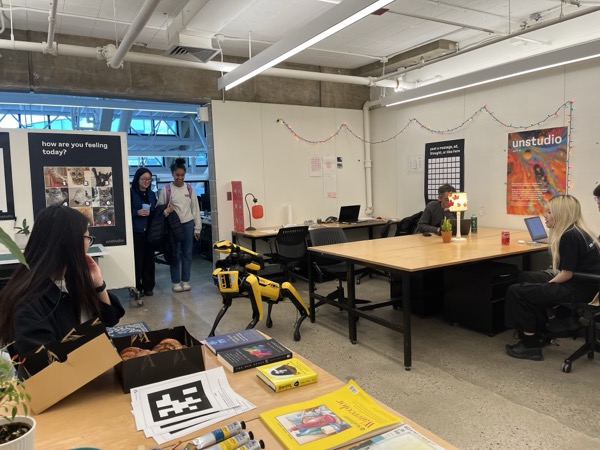
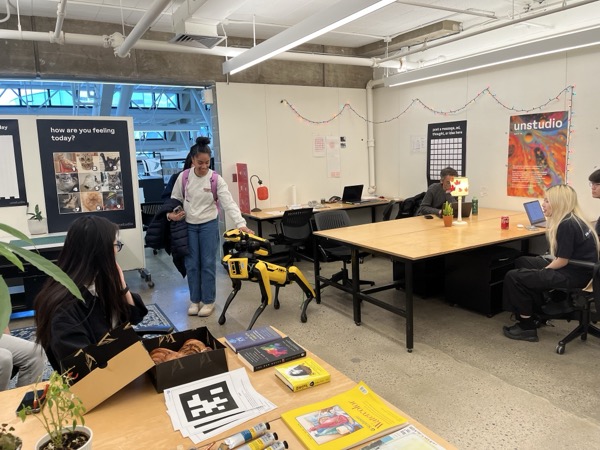
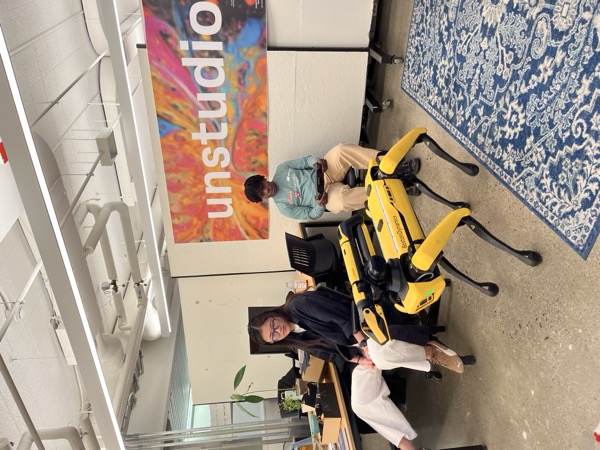
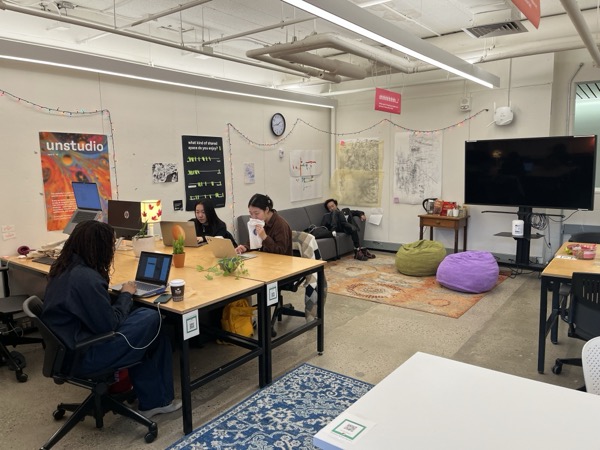
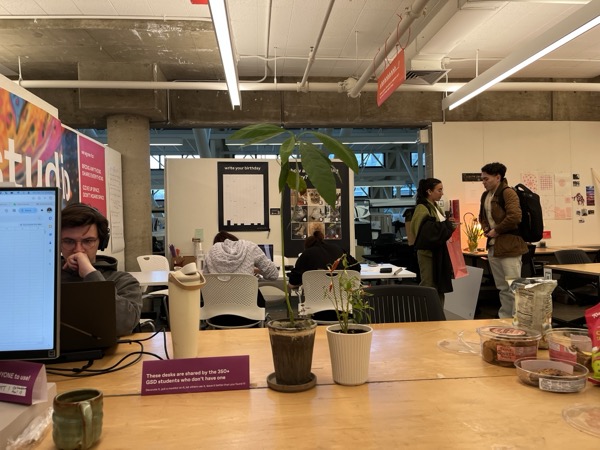
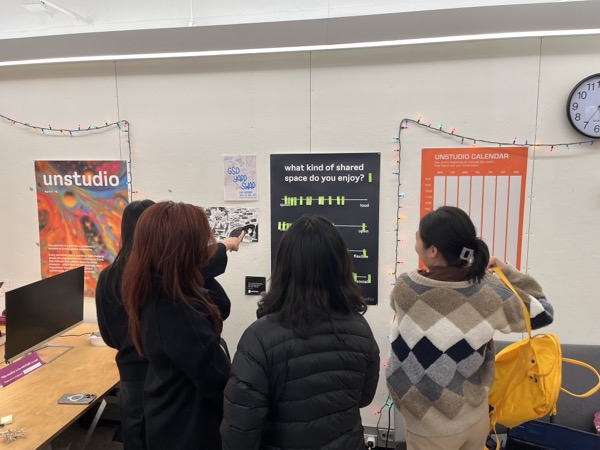
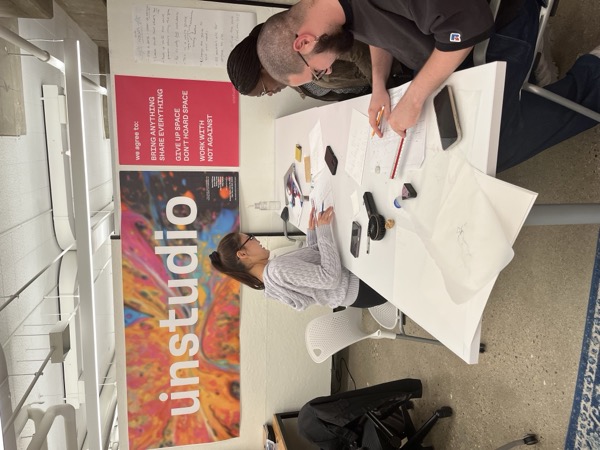
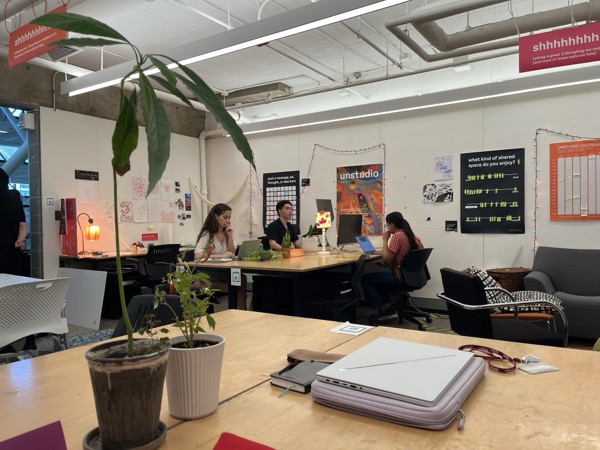
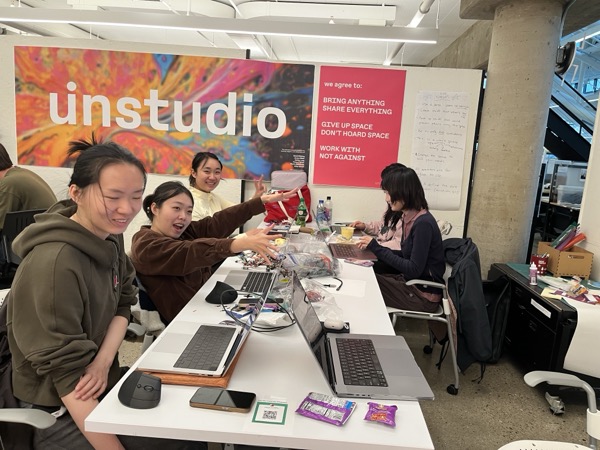
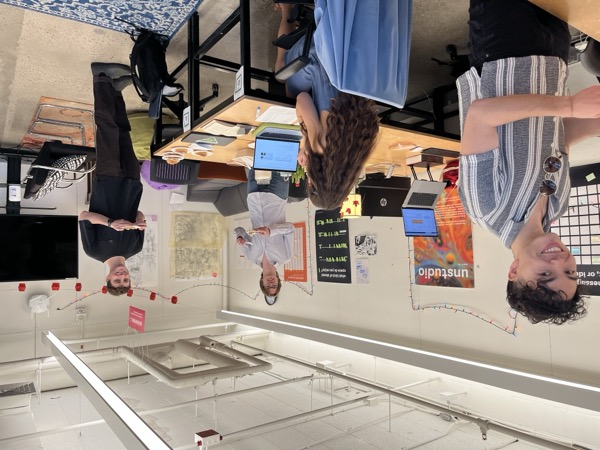
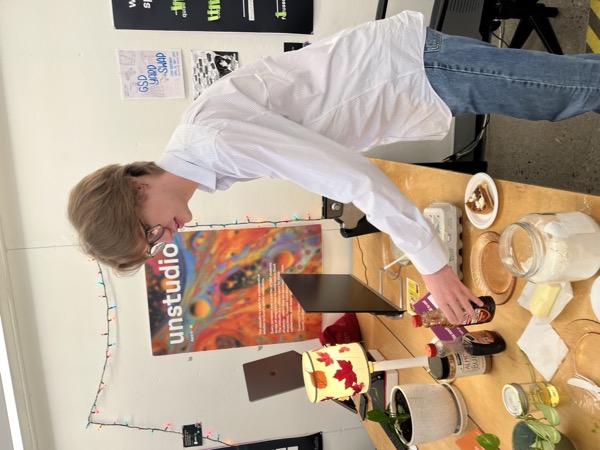
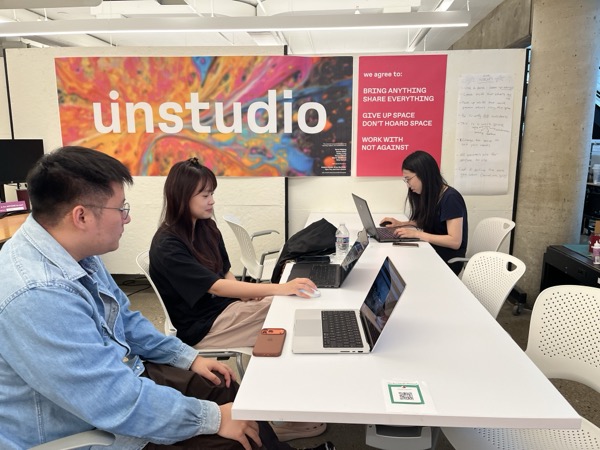
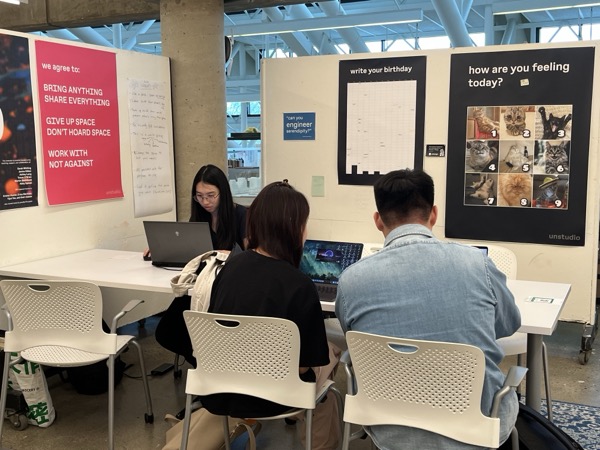
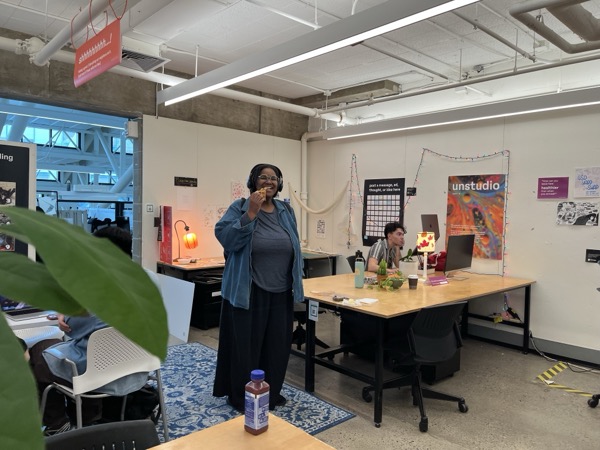
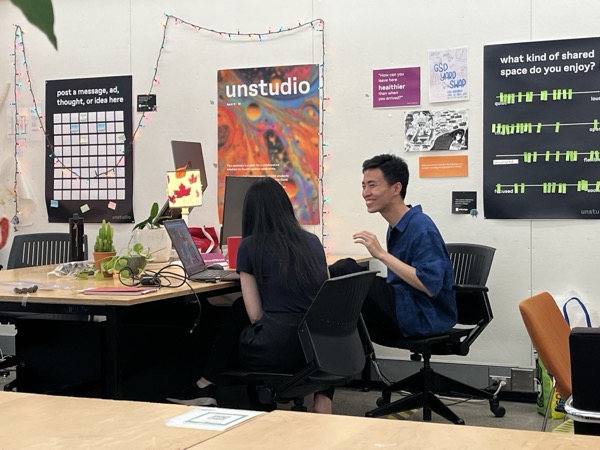
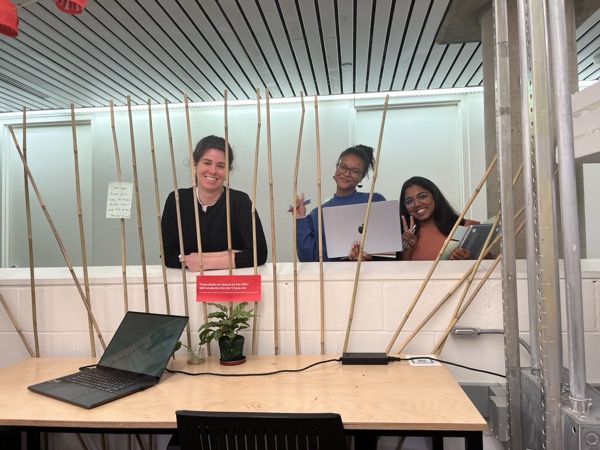
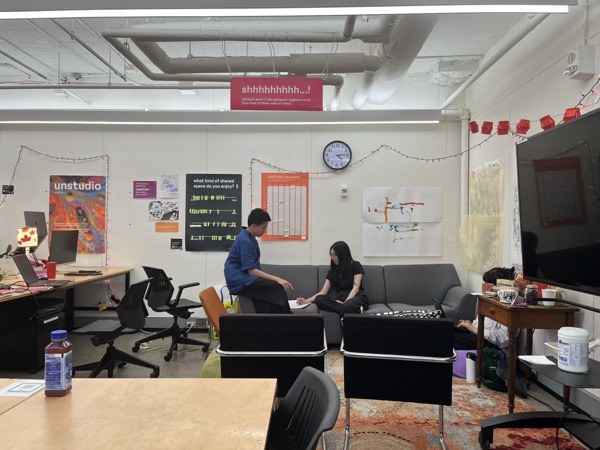
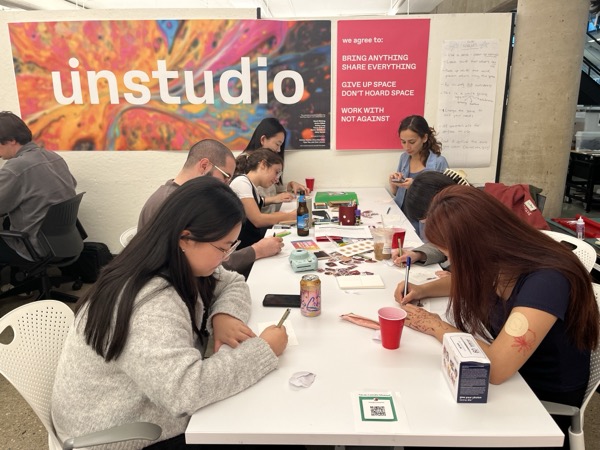
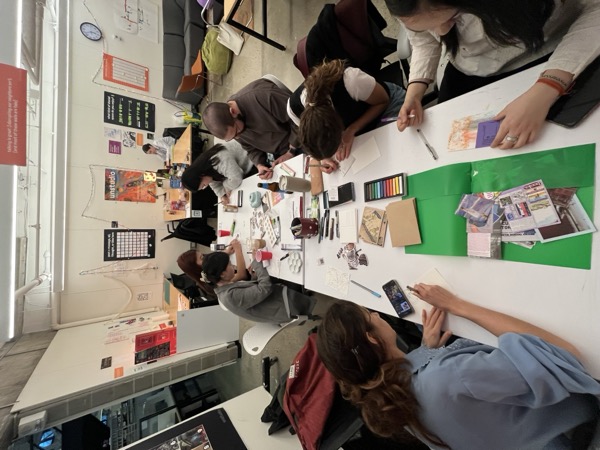
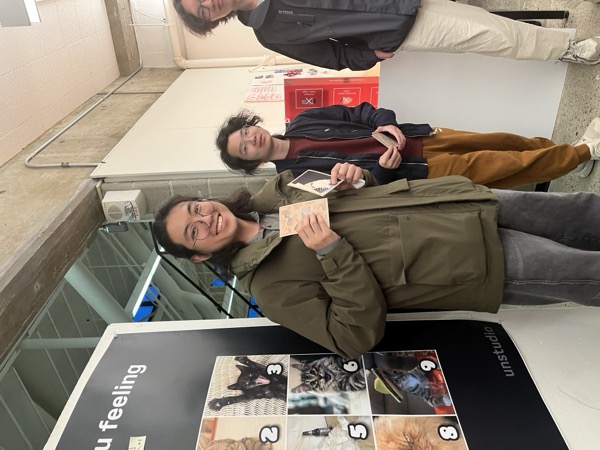
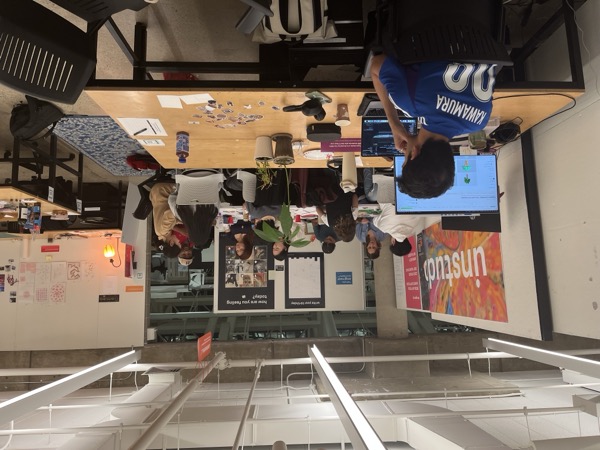
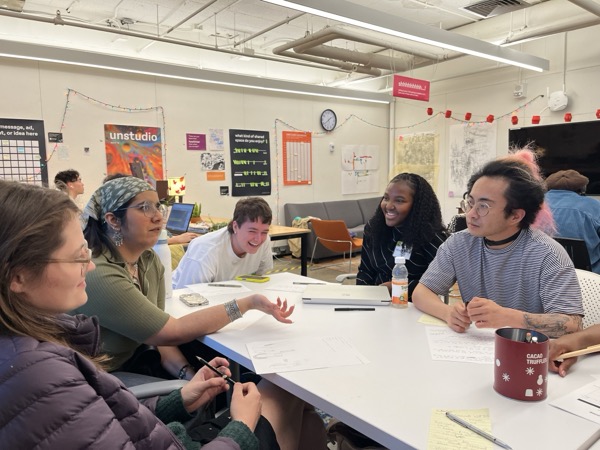
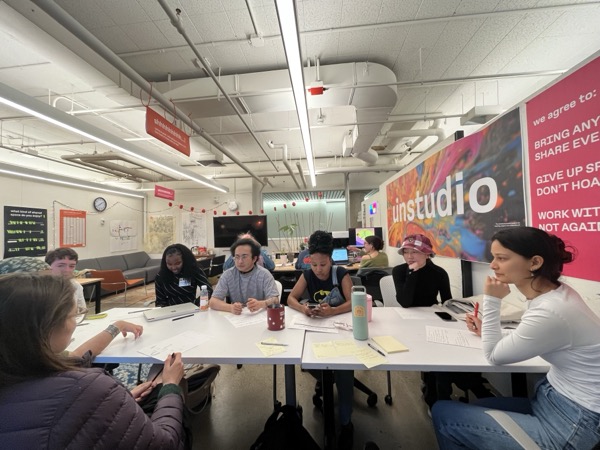
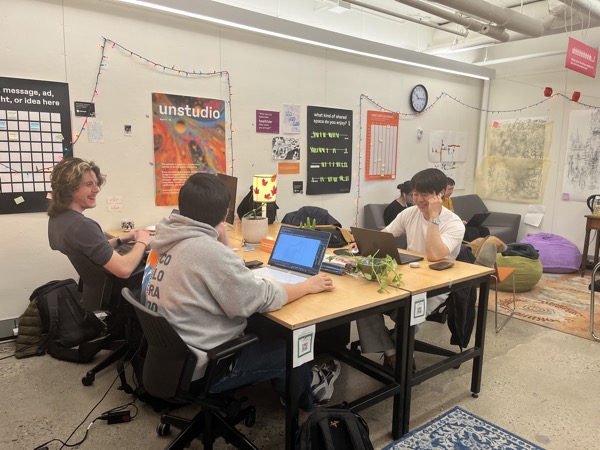
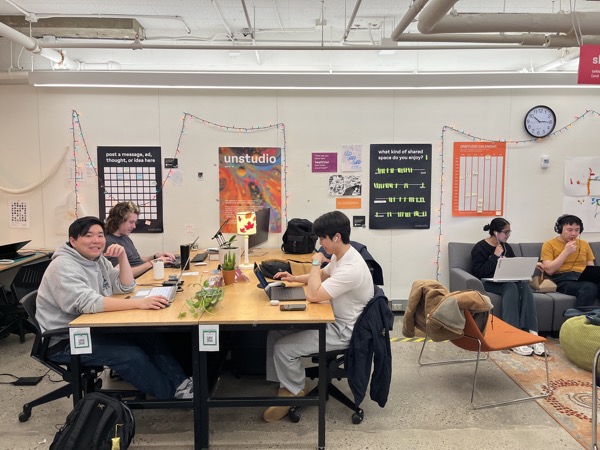
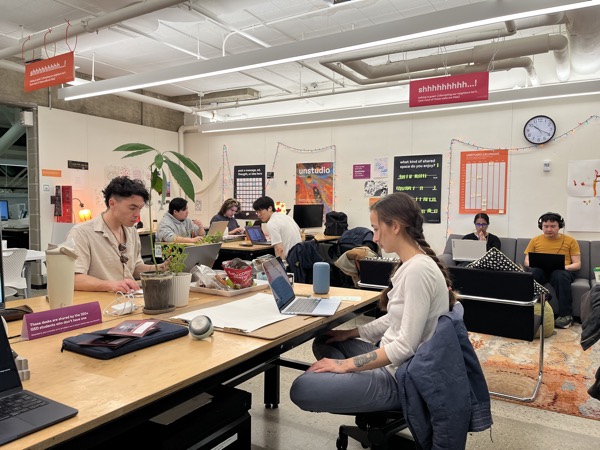
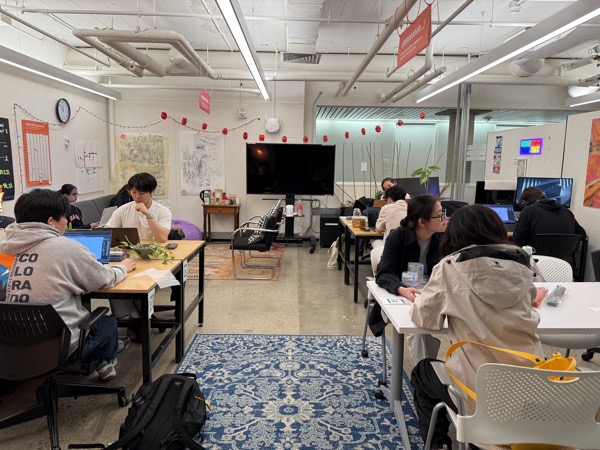
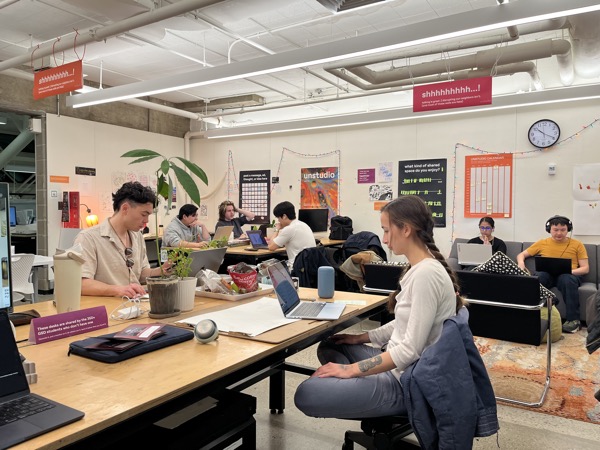
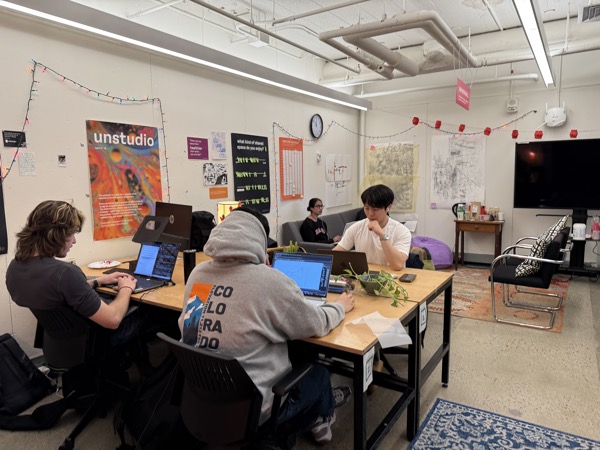
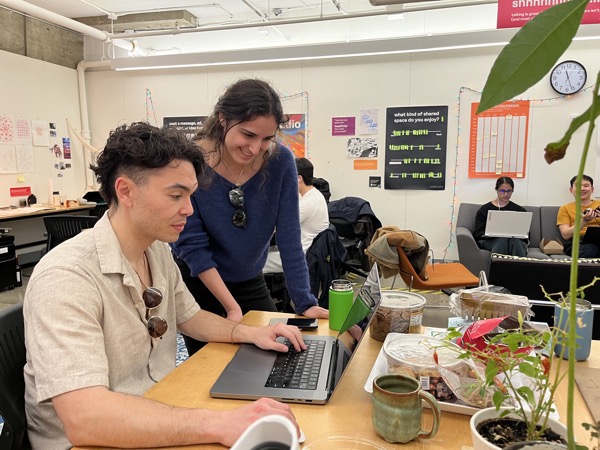
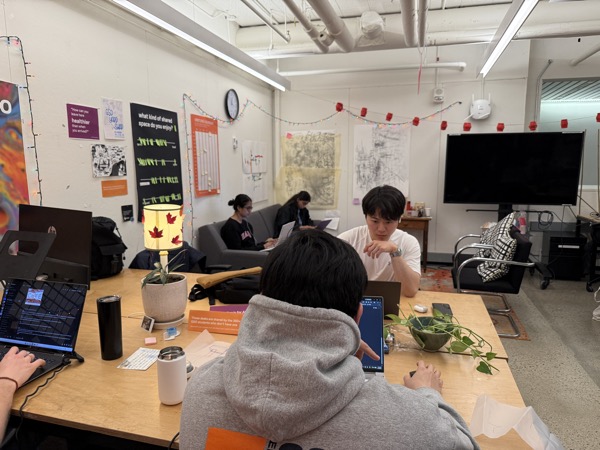
How the unstudio came to be. The events it hosted. The people who made it possible.
April 11 – 20, 2026
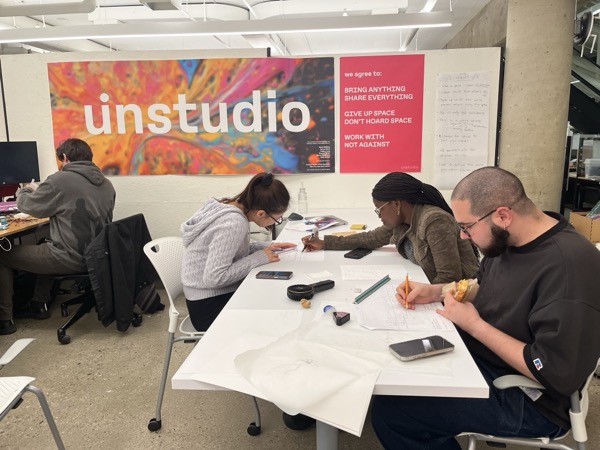
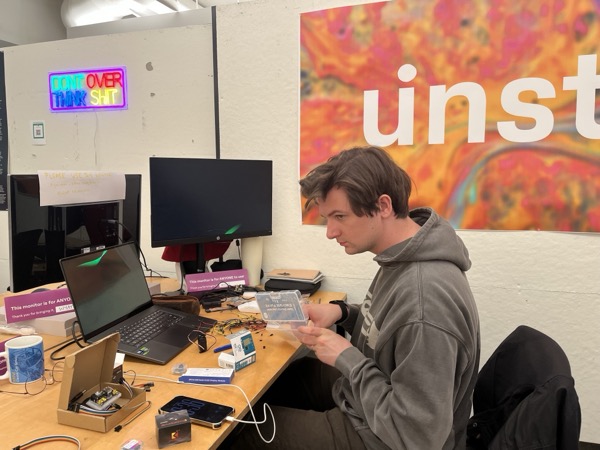
The unstudio hosted events across programs and disciplines — organized by its users, for its users.
Documentation
A week of spontaneous meetings, creative work, shared snacks, and belonging.
Origin story
tl;dr: a lot of people cared about it for a long time.
Joy
Working from the Trays with other MDes students, we found a bug in SERT that let us book spare desks for the entire semester. We called it MDesks. It turned into a real community — learning together, supporting each other's work, spontaneously offering feedback. Simply being in the same dynamic place in Gund had given us these unplanned creative and collaborative collisions. All we had needed was desks.
Anger
This amazing experience was rare and only available to a few students who found the bug. More broadly: MDes students are marginalized within GSD, with real impacts on learning outcomes. But anger alone doesn't build anything. The question became: how do I turn this into something productive?
Curiosity
Kalana, Xavaar, and Wyatt walked through the Trays every 4 hours for a week, tracking how students actually use their desks. The findings were striking: Gund is 2.5× over capacity (designed for 400, holds 994); at any given time there was an 89% chance a desk would be empty; and 370 students — over a third of GSD — have no home base in Gund.
Generosity
Wyatt shared the research with Dean Whiting, who pointed to a blind spot: the collaborative spaces, which weren't even on the research radar, were also underutilized. The data collection app was updated to include those spaces. We all have blind spots — others help us see them.
Love
The institution is just a collection of individual people. Building 1:1 relationships, digesting anger into care, finding alignment on common goals — this became the method. When you're powerless, you can't force others to change. But you can use your effort to help them with what they care about.
Excitement
During spring break, an email went to Dean Whiting: the undertray collaboration spaces were underutilized, a third of GSD students had no home base, and here was a solution — a temporary unstudio in one of the unused collab spaces. A pilot program. Free. Temporary. Easy to sign off on. If it works, it changes things permanently.
Gratitude
Dean Whiting immediately forwarded the note to Associate Deans Janice and Ashley. They arranged a meeting for when everyone returned from break. The idea seemed smart, reasonable, and doable — and there was enough system understanding and interpersonal trust to execute it in a way that honored the delicate balance of power within the institution.
Stress
No full week existed when every collaborative room was free. The room with the fewest conflicts still had 3 other groups who had planned to use it. Infrastructure faces the peak-usage problem: it must handle much more strain than is regularly required. This nearly killed the project.
Acceptance
Each of the three conflicting parties was approached individually. The best alternative space for each was researched ahead of time — including one case where, during a conflict window, every single room across all 5 GSD buildings was in use except one across the road at 485 Broadway. Each group was invited to be a collaborator in the project, not an obstacle to it.
Exuberance
All three conflict parties agreed to move — including a studio pinup that agreed to cross the road. People genuinely care about each other. We're wired to be helpful and kind; we just don't always know how, or aren't invited to do it in a way that feels good.
Excitement
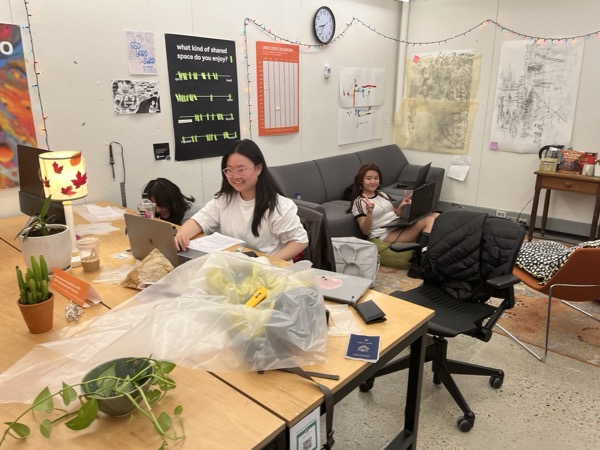
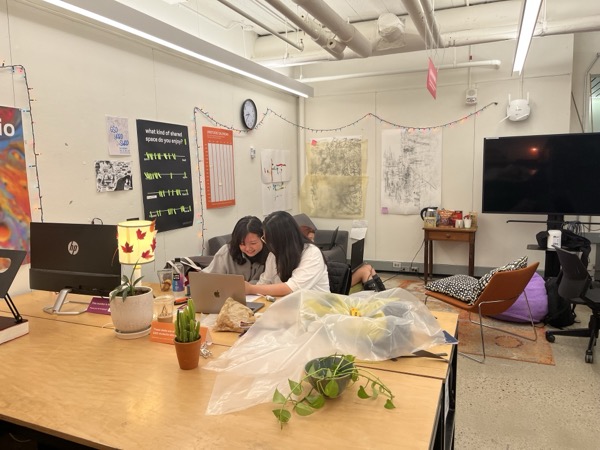
Working with Trevor, the building manager of Gund, furniture was sourced from around the GSD and from home. Scrappy and creative. Joshito, Julia, and Malvika helped move it all. Yanchen helped with favors. Julio from custodial lent trolleys. The space was designed to feel cozy, collaborative, and agentically flexible to its users.
Confusion → Clarity
The unstudio is a pilot program for evaluating the effects of collaborative learning on design pedagogy. A before-and-after survey was designed for participants. The unstudio only lasts a week, but the learnings can change GSD culture and practice for years.
Playfulness
Signage designed and printed. Furniture moved. Space curated to feel cozy instead of austere, collaborative instead of siloed. Every element designed to give users immediate agency — because we feel belonging when we feel agency to act.
Curiosity · Fear · Joy
Whatever brought you here, this is evidence of the effect that a person can have when they bring an idea founded in data to people who are open to change. Every part of this project is an experiment in deep humanity.
With gratitude
This project was possible because a lot of people cared and helped with their minds and hands.